TOOLS
We believe in open science. We try to always publish our analysis code and open-source our tools. When possible we also share data publicly (note: this isn't always feasible for clinical data, given privacy/safety constraints). If you are interested in our tools or approaches and are having trouble with access and/or implementation, please contact us.
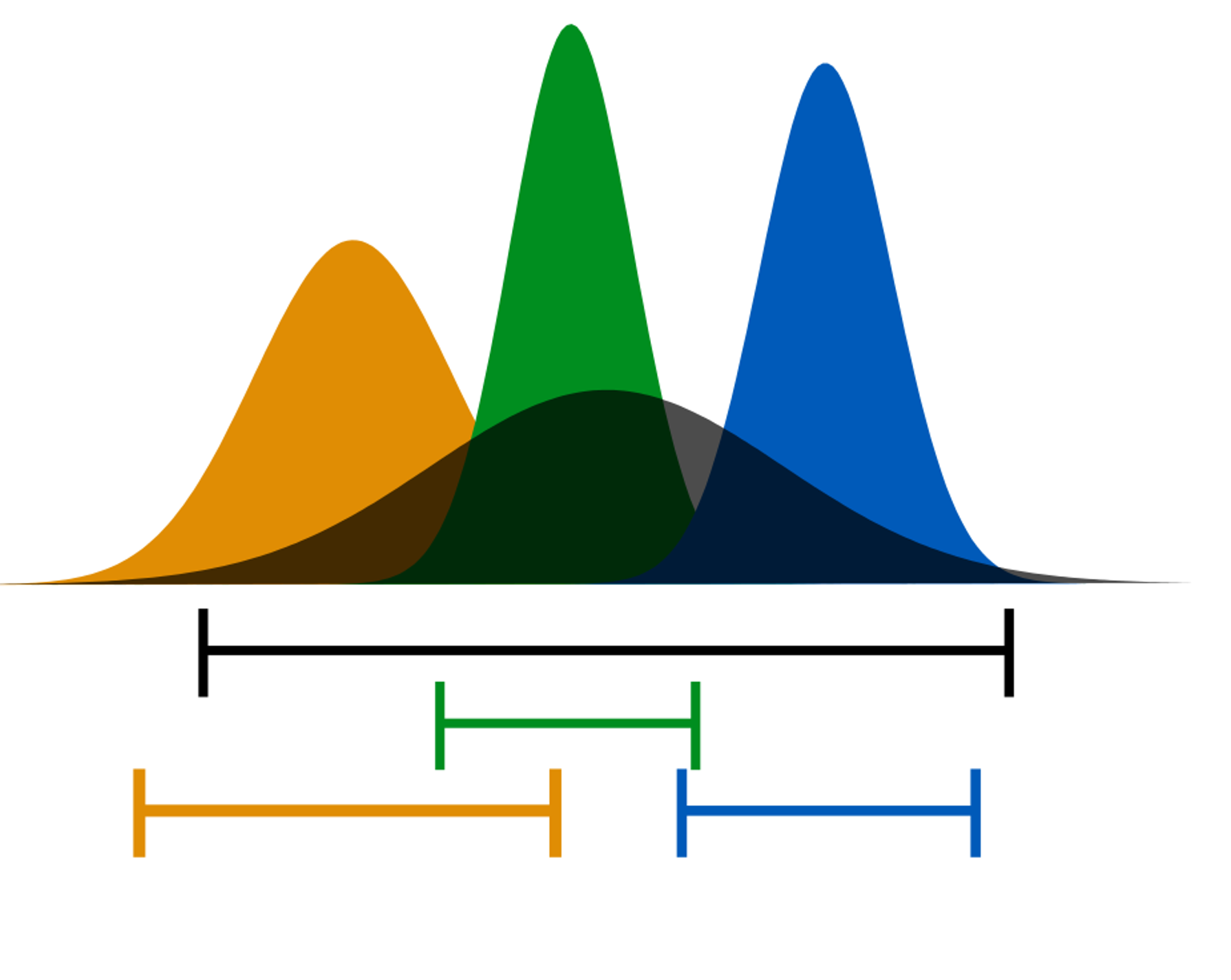
Personalized reference intervals
Urine drug testing auto-interpreter
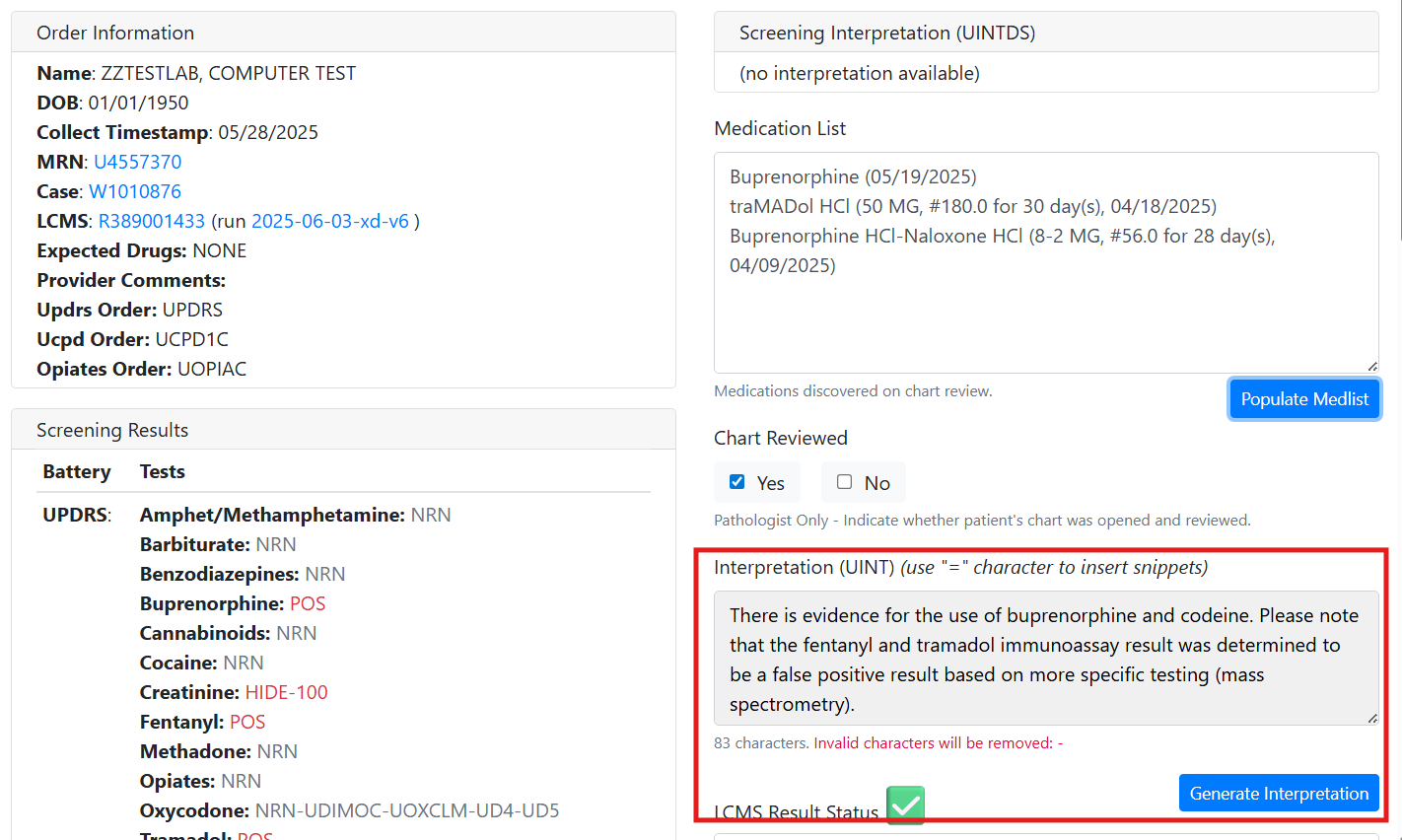
We created a machine learning tool which can interpret results of urine drug testing (immunoassays, mass spectrometry, etc.)
and then generate a preliminary clinical sign-out. This tool is in active deployment to aid UW Medicine's clinical chemistry service.
We published a development and validation study in JAMA Network Open.
Red cell differential

We built the RBC-diff, a computer vision tool for quantifying
red cell dysfunction in large-field blood smear images. Code for the RBC-diff and a repository
of 10,000 expert-labelled red cell images are available here.
Dynamic benchmarking of blood cell parameters

We created a tool for calculating positional and directional reference curves to benchmark
patients in recovery from cardiac surgery. Code for this tool and an example dataset are available here.
RAW DATA ARCHIVING

We are currently building archives of raw data streams from various UW hematology lab
instruments to assist with research and clinical practice. If you are a UW medicine affiliated researcher interested in accessing these data
sources for clinical, operational, or research purposes please email Brody.